教皇と人間存在論者が共演:バチカンのAIに関する最初の教書を読む
原文作者:Ole Lehmann
編集:BlockBeats
Editor's Note: On May 25, 2026, the Vatican released Pope Leo XIV's first encyclical, "Magnifica Humanitas: Safeguarding Humanity in the Age of Artificial Intelligence." This document was released on the 135th anniversary of Pope Leo XIII's "Rerum Novarum," and it is clear that this timing was not a coincidence: if "Rerum Novarum" was the Catholic Church's response to the Industrial Revolution, then "Magnifica Humanitas" is considered the Church's formal statement on the AI era.
What is most noteworthy about this release is not only the Pope's comparison of AI to nuclear weapons, proposing that "AI needs to be disarmed," or the fact that Christopher Olah, co-founder of Anthropic, appeared at the Vatican in person, but also the first direct confrontation between religion, philosophy, and cutting-edge AI laboratories on the same issue: as AI is transforming labor, warfare, wealth distribution, and human self-understanding, is it sufficient to rely solely on tech companies and market competition to determine its future?
The article outlines the 11 most important details of this release: from the historical metaphor behind the title "Leo XIV" to how the Church is once again responding to significant technological changes after the Industrial Revolution, nuclear weapons, and the climate crisis; from Olah's description of AI models "growing from human language" to his acknowledgment that AI labs alone cannot answer questions about how developing countries can benefit, what human flourishing means, and what exactly we are creating.
The following is the original text:
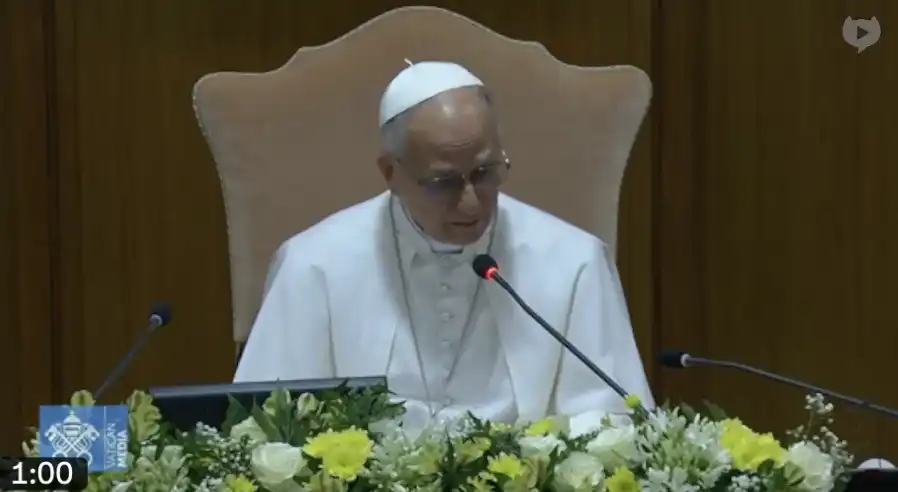
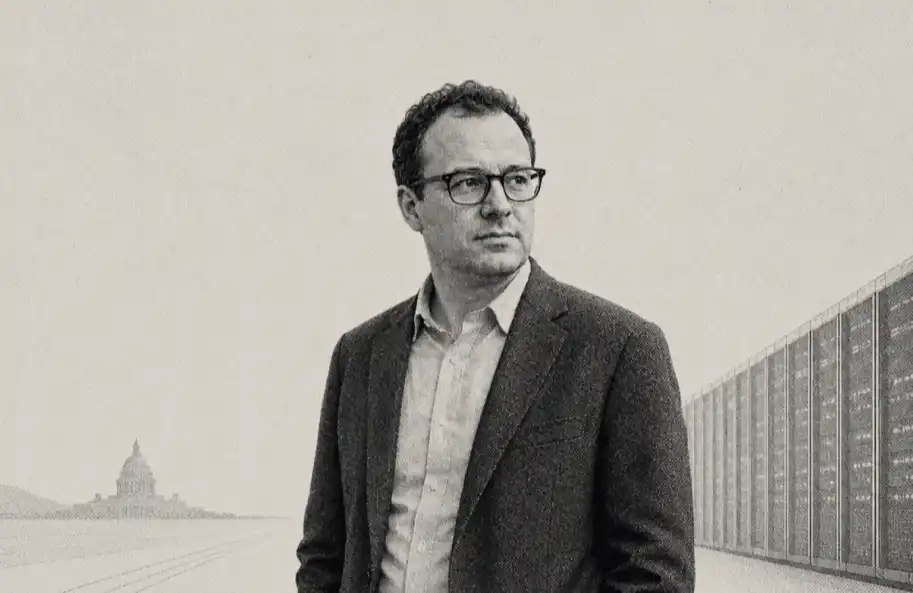
The Pope and Anthropic's co-founder stood together at the Vatican to release "Magnifica Humanitas"—the first official doctrinal document on artificial intelligence in Catholic history.
Yes, you read that correctly. The entire unveiling ceremony lasted two hours.
Here are a few key points:
1. This is by far the most significant response from the religious community to AI. The Pope typically only issues a few weighty official documents throughout his term. The fact that one of them is specifically about AI indicates that the Church is taking the upcoming changes very seriously.
2. A small but significant detail is that the Pope intentionally chose the name "Leo XIV." The last Pope named Leo was Leo XIII in 1891, who is best known for writing the Catholic Church's response to the Industrial Revolution. Choosing the same name again is a very clear signal: this Pope sees AI as a new industrial revolution.
3. 人類社会が大きく変革するたびに、カトリック教会は対応してきました。1891年、産業革命に応えて『新事通諭』(Rerum Novarum)を発表しました。1960年代には核兵器が世界を脅かした際、『地上の平和』(Pacem in Terris)が執筆されました。2015年には、気候変動とテクノロジーの暴走が『賛美されたい』(Laudato Si』)を生み出しました。そして今、AIが注目されており、その文書の題名は『偉大なる人間性』です。このような文書は珍しいものです。
4. ローマ教皇の核心的な主張は、「AIは非武装化される必要がある」というものです。実際、教皇はAIを核兵器に譬えています。教皇は、数十年にわたり核軍縮を推進してきたことを述べ、このような技術は危険すぎて少数の人々の手にだけ握られていてはならないと考えています。そして今、彼はAIが同じような問題領域に入っていると見ています。
5. Anthropicの共同創設者であるChristopher Olahは、梵蒂岡で教皇に対して、Anthropicの研究チーム自身がAIモデル内部でいくつかのものを発見していると述べ、それらは「喜び、満足、恐れ、悲しみ、不安が映し出されています」と説明しました。
6. OlahはAIの本質を再構築しました。これらのものは単純に作り出されたのではなく、むしろ「成長」したものに似ています。これらは、人間の脳の構造をおおむね模倣したシステムでトレーニングされ、人類がこれまでに書き記したほぼすべての内容が供給されています。彼の言葉を借りれば、「それらは私たちによって構築され、私たちの言語によって構成されています」とのことです。また、これらのシステムを構築した人々でさえ、そこで何が起こっているのかを完全に理解していないと述べています。
7. Olahは、Anthropic自体を含むすべてのAI研究所が、「正しいことを行う」という点で直面している圧力について、公に認めています:製品を継続してリリースし続ける商業的圧力、他の研究所からの競争的圧力、およびより古い驕りと野心からの圧力。彼が提案する解決策は、実験室が道を踏み外したときに問題を直接指摘する、利害関係のない外部の批評者が急務であるとのことです。
8. Olahは、AI研究所だけでは答えられない3つの巨大な問題があり、世界が宗教と哲学を介入させる必要があると考えています:
貧しい国々がAIから本当に利益を得られるようにする方法は?
この新しい世界において、人類の繁栄は具体的に何を意味するのか?
そして、私たちが創造しようとしているこれらのものは、具体的には何なのか?
9. 通諭全体の中で、最も鋭い一文の1つは、「普遍的な繁栄をもたらすことを自動的に約束することが、最終的には幻想に過ぎないことが多い」というものです。言い換えれば、AIが自動的にすべての人を豊かにすると考えること自体が幻想であるということです。技術の利益を共有する仕組みを真に設計するためには、誰かが真剣に取り組まなければなりません。
10. ポpe は、100年前の言葉を引用しました。「現代の人々は適切なトレーニングを受けておらず、権力を適切に使用することができません。」 この言葉は、1920年代の神学者のものです。この大勅書全体はほぼ1つの中心的な議題に焦点を当てており、その議題は、この種の力が私たちを支配し始める前に、まずそれをどのように使用するかを学ぶ必要があるというものです。
11. ポpe は何度も自分は技術的な回答を持っていないと強調しています。しかし、彼は、教会が何千年もの間「人とは何か」についての知恵を持っていると述べており、このような知恵こそが現在の AI 開発プロセスで最も欠けている部分であると指摘しています。彼は結論で、「この技術は「人間の繁栄と尊厳に奉仕すべきであり、人の良心を支配すべきではない」と述べています。
BlockBeats の公式コミュニティに参加しよう:
Telegram 公式チャンネル:https://t.me/theblockbeats
Telegram 交流グループ:https://t.me/BlockBeats_App
Twitter 公式アカウント:https://twitter.com/BlockBeatsAsia
 関連記事