error
原著者:Andrew Ng, Coursera 共同创設者
翻訳著者:ディープテックフロー
Editor's Note: Andrew Ng directly addresses the narrative of "AI leading to widespread unemployment" in his latest article. His core argument is that the software engineering industry is the most impacted by AI, yet recruitment demand remains strong; the U.S. unemployment rate stays at a healthy 4.3%. AI labs, SaaS companies, and downsizing companies all have their own motivations to exaggerate AI's replacement capabilities. The value of this article lies in the fact that it comes from someone who has both driven AI development and has long been committed to promoting AI education.
(Note: Andrew Ng is a globally renowned artificial intelligence scientist, educator, and entrepreneur, as well as a part-time professor at Stanford University. He co-founded the Google Brain team and served as Chief Scientist at Baidu, playing a key role in driving the widespread application of deep learning. He also founded Coursera and DeepLearning.AI, making outstanding contributions to global AI talent development.) The following is the original content of the article:
There Will Be No AI Unemployment Doomsday.
The story of "AI leading to widespread unemployment" is creating unnecessary panic. AI, like any technology, will impact employment, but blowing the narrative of "mass unemployment" out of proportion is both irresponsible and harmful. It's time to stop.
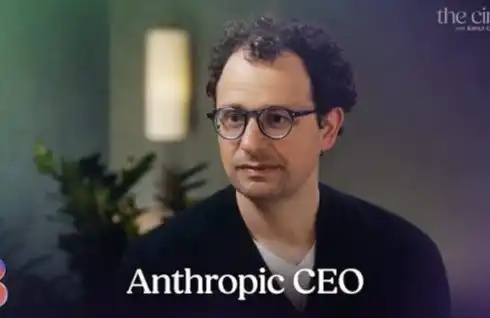
I expressed doubts about the "AI unemployment doomsday" in a previous article. The good news is that mainstream media is now pushing back against this narrative. The image below collects some recent headline reports.
Software engineering is the field most impacted by AI tools, with coding agents at the forefront. However, the recruitment demand for software engineers remains robust. While there are indeed cases of AI replacing positions, the trend clearly indicates that the net job creation by AI far outweighs what it eliminates, as with every previous technological wave. Moreover, despite the exciting progress in AI, the U.S. unemployment rate still stands at a healthy 4.3%.
Who Is Advocating for the "AI Unemployment Doomsday"?
Why does the "AI unemployment doomsday" narrative have such a strong market appeal?
First, cutting-edge AI labs have a strong motivation to tell stories that make AI sound incredibly powerful. The most extreme version is the sci-fi scenario where AI "takes over the world" and leads to human extinction. The logic is simple: if a technology can replace a large number of employees, then that technology must be very valuable.
次に、多くの SaaS 企業の価格設定は、1ユーザーあたり年間100〜1000ドルの間にあります。しかし、1社のAI企業が年収10万ドルの従業員を代替したり、効率を50%向上させたりする場合、1年1万ドルを請求することは合理的に見えます。価格のアンカーポイントがSaaS価格から従業員の給与に変わることで、AI企業ははるかに高い価格を請求することができます。
さらに、企業自体も裁量権をAIのせいにする動機があります。結局のところ、「AIによる効率化により、人員を削減しました」という表現は、「感染症の期間中に資本が安価になったため、人員を過剰採用した」という表現よりもはるかに良い印象を与えます。後者の真の原因は低金利と政府による大規模な財政刺激による過剰採用です。
失業とは別の話です
AIが多くの人々の仕事を変えていることを認めます。これは困難であり、不安を抱かせます(一部の人にとっては楽しいかもしれません)。影響を受けるすべての人を理解しています。ただし、仕事内容の変化と雇用市場の崩壊を予測することはまったく異なることです。
社会は長年にわたって自分自身に物語を語り、その物語に現実的な根拠がないにもかかわらず、集団的な誤った決定を下す能力があります。たとえば、原子力発電の安全に対する恐怖が原子力投資不足を招きました。1960年代の「人口爆発」への懸念が多くの国で厳格な人口管理政策を導入させました。食事脂肪への懸念が政府による数十年にわたる高糖度の不健康な食事の推進につながりました。
主流メディアは現在、「AIによる失業の終末」の物語を公然と疑問視し始めています。こうした物語が、「AIによる人類絶滅」の恐怖と同様に徐々に影響力を失ってほしいと願っています。
失業の終末ではなく、雇用の狂騒です
私の予測はまったく逆です:AIによる雇用の狂騒が起こります。AIは多くの高品質のAIエンジニア職を創出し、私は全体的な雇用市場の将来についても楽観的です。AIエンジニアの業務は従来のソフトウェアエンジニアリングとは異なるため、多くの新しいポジションが従来の大手テクノロジー企業以外の企業で生まれます。
AIを必要としない職種のスキルもAIによって変化します。今がAIを学び、将来の異なるが豊富な仕事に備えるための最適なタイミングです。
Original Article Link
BlockBeats の公式コミュニティに参加しよう:
Telegram 公式チャンネル:https://t.me/theblockbeats
Telegram 交流グループ:https://t.me/BlockBeats_App
Twitter 公式アカウント:https://twitter.com/BlockBeatsAsia

 関連記事