トランプ氏がAI規制を停止、競争への懸念が監督に打ち勝つ
原文のタイトル:ドナルド・トランプがホワイトハウス内部抗争の後、AI指令を急遽延期
原著者:Joe Miller,Financial Times
翻訳:Peggy
Editor's Note: The Trump administration had originally sought to establish a pre-release security testing mechanism for cutting-edge AI models, but hours before signing, this executive order was abruptly halted.
According to the original plan, top AI companies such as OpenAI, Google, Anthropic, xAI, etc., were to voluntarily share models with the U.S. government 90 days before public release of advanced models, and undergo national security and cybersecurity risk assessments. Trump ultimately refused to approve, citing "a desire to not have anything impede America's leading position in the AI field."
Behind this last-minute pivot is the core contradiction facing U.S. AI policy: the capabilities of cutting-edge models have already begun to touch upon public risks such as cybersecurity vulnerabilities, financial system vulnerabilities, job displacement, and data center expansion. However, against the backdrop of U.S.-China AI competition being seen as a national strategic issue, any regulatory arrangement could be interpreted by the industry as slowing down innovation and weakening U.S. competitiveness.
More subtly, this executive order was not originally a mandatory approval system, but a "collaborative, voluntary" model evaluation framework. In other words, the White House was not trying to directly control model releases, but rather hoped to add a government security testing step before models were made public. Yet even this relatively moderate approach was temporarily shelved amid the tug-of-war between security governance and technological leadership.
AI is transitioning from a mere technology industry issue to a crossroads of national security, macroeconomics, and political governance. The focus of the U.S. AI policy debate is also shifting from "whether to support AI development" to "how to manage the systemic risks that cutting-edge models may bring without sacrificing the lead advantage."
The following is the original article:
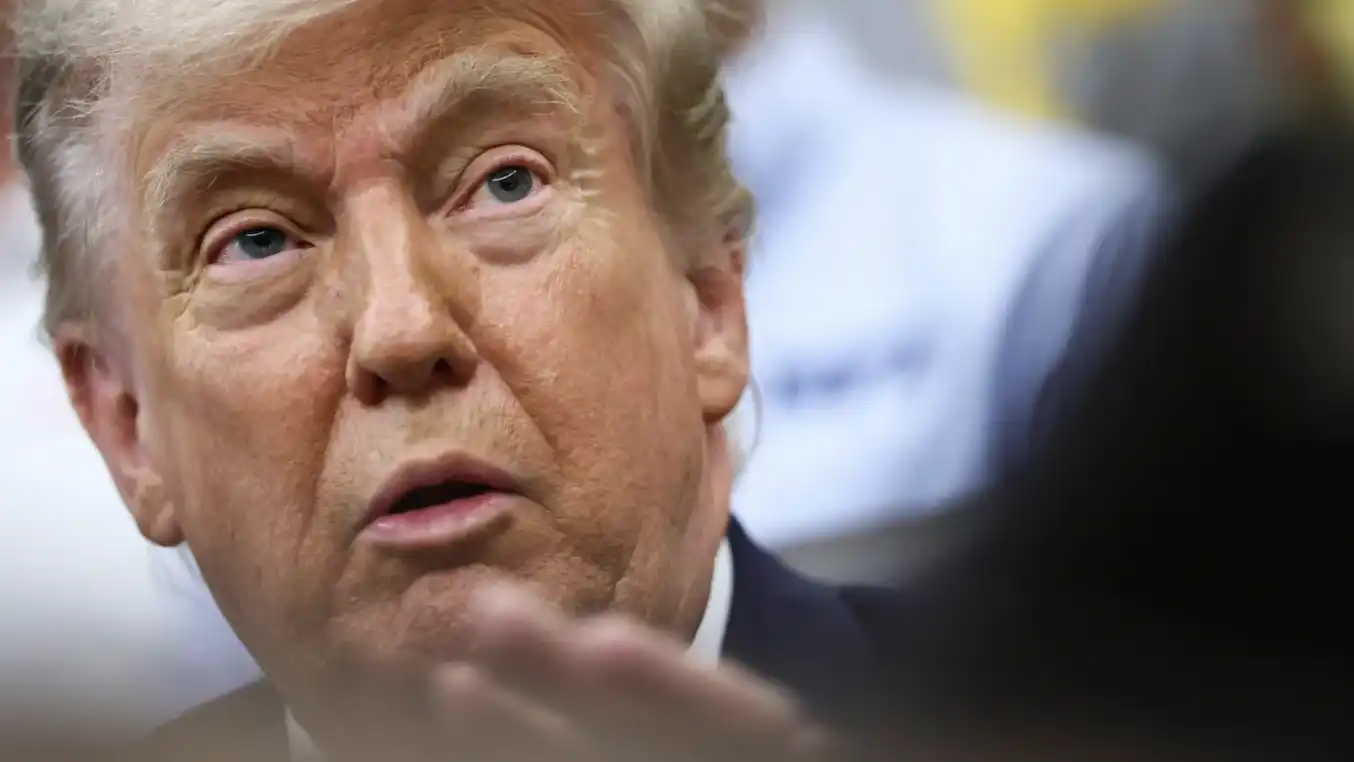
Donald Trump's sudden turn came after weeks of internal U.S. government debate over the appropriate scope of regulatory oversight.
The White House unexpectedly delayed the long-awaited signing of an artificial intelligence executive order. Prior to this, Donald Trump stated that he "did not like" parts of the plan, especially the U.S. government's proposed arrangement to conduct national security and cyber risk reviews on AI models.
この大統領令は、木曜日の午後に署名される予定でした。計画通り、OpenAI、Google、AnthropicなどのトップAI企業は自発的に、そのモデルを政府に提出して審査を受けることを約束しました。
トランプの急な方針転換は、規制審査の境界に関する米政府内で数週間にわたる論争の後に起こりました。
この大統領令についてトランプは、「いくつかの側面が好きではない。我々は中国にリードされており、他の誰よりもリードされている。我々のリード地位が阻害されることは望んでいない」と述べました。また、人工知能は「多くの雇用を生み出している」とも述べました。
署名式が突然延期される前に、複数のテクノロジー企業のCEOがワシントンDCに向かい、トランプと共にイベントに出席する予定でした。
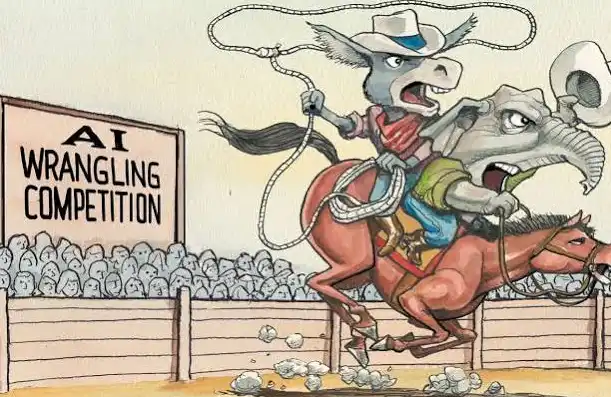
米国大統領ドナルド・トランプは、米国のイノベーターが中国との競争で遅れを取ることを懸念し、このAI大統領令に同意しなかった。
この署名の延期は、複数の世論調査がAIの影響に対する米国有権者の懸念を持続的に示し、多くの人々がこの新興技術に対しより厳格な規制とセキュリティバリアを支持していることと重なります。
公開された強力なAIモデルがもたらす可能性のある安全上の懸念が高まっており、同時にAIが雇用に与える影響や大規模データセンターの建設に伴う論争が、ホワイトハウスの政治的計算をより複雑にしています。以前は、この政府はAI産業に対する姿勢が明らかに前向きでした。
トランプの一部の支持者は、先進的なAIモデルを米国政府の統制下に置くことを求めておりましたが、別のMAGA陣営の者たちは、AIの成長を制限するあらゆる措置が米国経済を妨げる可能性があると警告しています。
家族研究所が今月行った調査によると、82%の米国人が、先進的なAIモデルに対してホワイトハウスがセキュリティテストを実施することを支持しています。
この大統領令の醸成は、ホワイトハウスの主要役員が以前にAnthropicの最新モデルであるMythosモデルに触れており、財務長官スコット・ベネットもその中に含まれていました。このモデルは、ネットワークセキュリティの脆弱性を発見するために使用する高度な能力を備えています。内部関係者によると、銀行システムの脆弱性など、このモデルが明らかにした問題には驚かされました。
Anthropicはこれまでに、Mythosを信頼できる一握りの機関にのみ開放しており、これらの機関がハッカーによってモデルにアクセスされる前に、ネットワークセキュリティの問題を事前に発見して修正できるようにしています。
トランプ政権の国家経済会議議長であるケビン・ハセットは以前、先端 AI モデルは、「安全性が証明された後、薬物の承認と同様に、公式にリリースされる」ために同様の薬事承認プロセスを受けるべきだと提案しました。
彼のこの発言は、AI の創設者や投資家から強い反発を受けました。その中には、トランプ政権との関係が深い人物も含まれています。彼らは、このような制度はアメリカのイノベーション力を弱めるだろうと考えています。
この行政命令は、同様の承認制度の要求には遠く及びませんが、代わりに「協力的で自発的なモデルのベンチマーク評価フレームワーク」の構築に注力しています。木曜日の午前中、予定されていた署名式の前に、ホワイトハウスの関係者は報道陣にこの行政命令の内容を簡単に紹介しました。
提案された合意によると、OpenAI や xAI を含むトップ AI 企業は、関連するモデルが一般公開される前の90日間、政府とモデルを自発的に共有することになります。言い換えれば、このメカニズムは最終的には大部分が AI 企業のリーダーの協力意向に依存することになります。
BlockBeats の公式コミュニティに参加しよう:
Telegram 公式チャンネル:https://t.me/theblockbeats
Telegram 交流グループ:https://t.me/BlockBeats_App
Twitter 公式アカウント:https://twitter.com/BlockBeatsAsia
 関連記事