盗難から再投入まで、29 億ドルがいかに「洗浄」されたのか?
原文タイトル:where did the kelp $292m go? anatomy of a $292m laundering.
原著者:@the_smart_ape
翻訳:Peggy,BlockBeats
Editor's Note: On April 18, Kelp DAO was attacked, and approximately $292 million in assets was stolen. So, in a completely transparent on-chain system, how was this money step by step "laundered" and turned into fungible assets?
This article takes this event as a starting point and breaks down a highly industrialized path of crypto money laundering: from preparing an anonymous infrastructure before the attack, to using Tornado Cash to cut off on-chain correlations; from leveraging Aave, Compound to collateralize "toxic assets" and exchange them for clean liquidity, to exponentially amplifying tracking difficulty through THORChain, cross-chain bridges, and UTXO structure, ultimately flowing into the USDT system on Tron and exchanging off-chain for cash in the real world.
In this process, there are no complex black box operations, and almost every step is taken "by the rules." It is precisely because of this that what this path reveals is not a single point of failure, but rather the structural tension of the DeFi system under openness, composability, and untraceability—when the protocol design itself allows for these operations to exist, the so-called "asset recovery" is no longer a technical issue but a systemic boundary issue.
Therefore, the Kelp DAO incident is not just a security incident, but more like a stress test on the operating logic of the crypto world: it shows how hackers can turn your money into their own and why this system is fundamentally difficult to prevent this process from happening.
As you may know, on April 18, a North Korean hacker stole $292 million from Kelp DAO. Five days later, over half of it had already disappeared, fragmented and scattered across thousands of wallets, exchanged through protocols that cannot be paused, and finally flowed to a very specific destination.
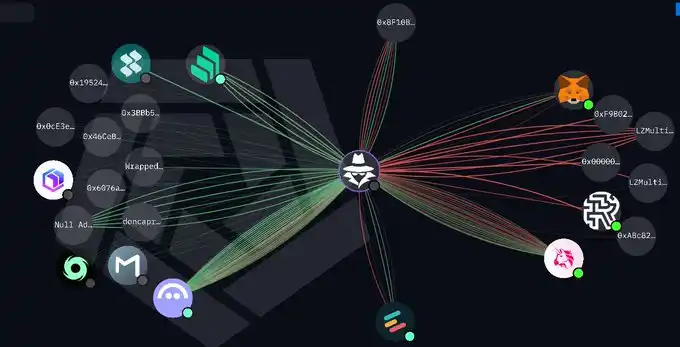
The interesting part is: how to turn $292 million of traceable stolen crypto assets into cash in Pyongyang's pockets without anyone being able to stop it.
The purpose of this article is to reveal why the entire modern crypto money laundering process operates, why it cannot be stopped structurally, and what exactly each whitewashed dollar buys.
第一段階:布置(攻撃発生前数時間)
攻撃者は直接的な盗難ではなく、常にインフラの準備から始めます。
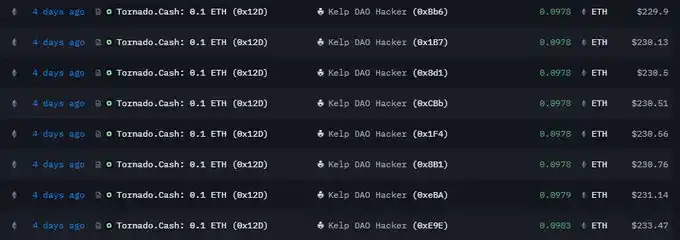
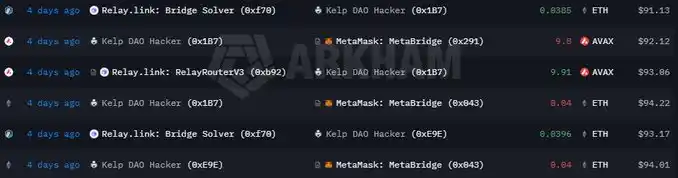
攻撃は約10時間前に発生しました。8つの新しいウォレットがTornado Cashに事前に投入されました。--Tornado Cashは資金の出所と行き先の関連性を断つことができるミキサーです。
各ウォレットにはそれぞれ0.1 ETHが送金され、後続のすべての操作のGas料金に使用されました。これらのウォレットの資金はミキサーから来ており、取引所のKYC記録はなく、履歴的な取引痕跡もなく、既知の主体と関連付けることはできません。クリーンなホワイトボードです。
攻撃の前日、攻撃者はEthereumメインネットからAvalancheおよびArbitrumに3回のクロスチェーン転送を行いました---明らかな目的は、これら2つのL2上でGasを事前にデポジットし、クロスブリッジ操作をテストし、大口転送時にすべてがスムーズに機能することを確認することです。
第二段階:盗難
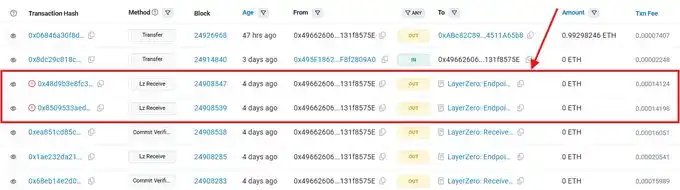
独立した攻撃発信ウォレット(0x4966…575e)が、LayerZero EndpointV2スマートコントラクト上のlzReceiveと呼ばれる関数を呼び出しました。検証者が正常に騙されたため、この呼び出しは合法的なクロスチェーンメッセージと見なされました。KelpのクロスブリッジコントラクトKelp DAO: RSETH_OFTAdapter(Etherscanアドレス:0x85d…)は直ちに0x8B1に116,500枚のrsETHを放出しました。

全rsETH供給量の18%。1回の関数呼び出しで完全に消滅しました。
46分後、UTC時間18:21、Kelpの緊急マルチシグがプロトコルを一時停止しました。UTC時間18:26と18:28、攻撃者は同じ方法で2回操作を試み、それぞれ約40,000枚のrsETHを盗もうとしました(1回当たり約1億ドル)。2回とも、Kelpがタイムリーにシャットダウンしたためにロールバックされました。そうでなければ、盗雄の合計額はおそらく5億ドルに近づく可能性がありました。
第三段階:Aave + Compound手順
rsETHは証書トークンであり、Kelpがクロスブリッジを一時停止したり、盗まれたトークンをブラックリストに載せた場合、その価値はすぐにゼロになります。攻撃者は数分間しか持ち時間がないため、これを凍結できない資産に変換する必要があります。盗難が発生してから46分が経ってKelpが停止されました---すでに遅すぎました。
資金を2.92億ドルの非流動性リステイキングトークンを直接公開市場で売却すると、数分で価格が30%以上下落する可能性があります。そのため、彼は売却する代わりにDeFiローンプロトコルをマネーロンダリングツールとして使用し、迅速にテイクプロフィットしました。
受取ウォレット0x8B1は、116,500枚の盗まれたrsETHを他の7つのサブウォレットに分散して送金しました。各サブウォレットはその後AaveとCompound V3に入り、rsETHの一部を担保として預け、ETHを借りました。
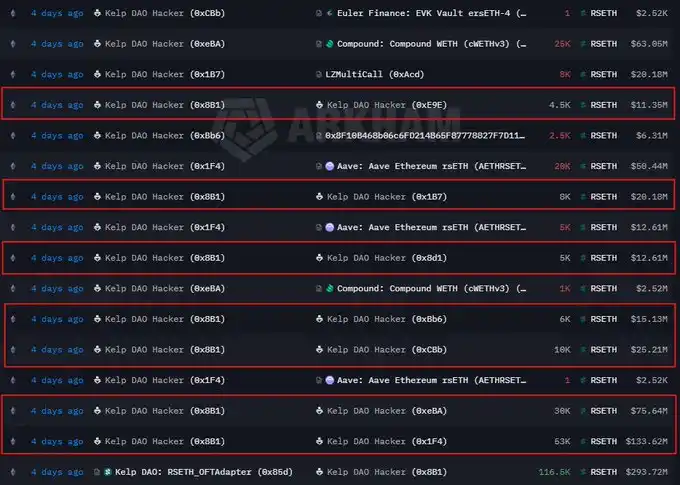
7つのサブウォレットの累積ポジションは次のとおりです:
· 担保預金:89,567枚のrsETH
· 借入:約82,650枚のWETH + 821枚のwstETH、合計約1.9億ドル相当のクリーンで流動性のあるイーサリアム資産
· 各サブウォレットの健全度係数は1.01から1.03に設定されています——清算前に許容される絶対上限
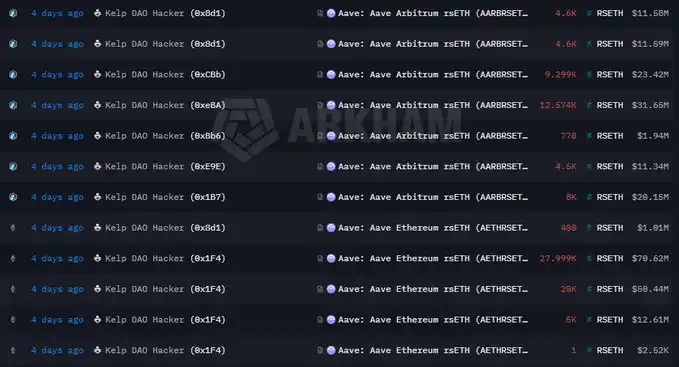
攻撃者は、総額2.92億ドル、すでにマーキングされておりほぼ現金化不可能なrsETHを使って1.9億ドル相当のETHを交換しました。この一連のrsETHが最終的にほぼゼロに近いマークダウンされると(Kelpのクロスブリッジ資金は債務をカバーできず、償還できないため)、ローンプロトコルの預金者が損失を被りました。
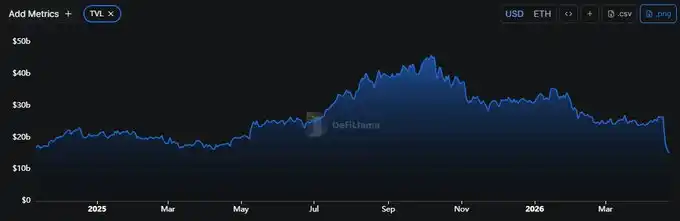
Aaveが20億ドルを超えるデフォルトローンを保有していることに市場が気付くと、ユーザーはパニックで資産を引き出しました。 Aaveは48時間で800億ドルの総ロック量(TVL)を失いました。この最大のDeFiローンプロトコルは、初めて本当の銀行パニックに直面しました——そして、その引金は、攻撃者がプロトコルを完全にデザインに従って使用したことでした。
Phase 4: Fund Consolidation and Splitting
Aave/Compoundから借金をした後、7つのサブウォレットは借りたETHを第3層の統合ウォレット(0x5d3)に送金しました。
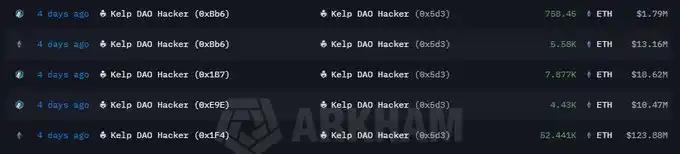
この操作全体は、明確な3層構造を示しています:
1、入金:0x8B1(Tornado Cashを介して同様に注入)、116,500枚の盗まれたrsETHを受け取りました
2、操作:Tornado Cash による資金供与を受けた 7 つのサブウォレットによる Aave/Compound 取引
3、統合:0x5d3 は約 71,000 ETH の借入資金を再集中し、洗浄プロセスに統合
その後、資金は2つのチェーンに分散されました:
・75,700 ETH が Ethereum メインネットに残留
・30,766 ETH が Arbitrum に移動(約 71 百万ドル)
Arbitrum のセキュリティ委員会は、Arbitrum 上のこれらの資産を凍結し、7100 万ドルを後続のガバナンスでのみ解除可能なガバナンス制御ウォレットに移動しました。
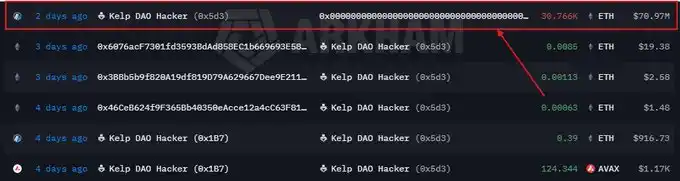
凍結の直後、ハッカーはメインネット上の残りの ETH を引き出し、洗浄プロセスを加速しました。これらのアクションから、明らかに彼は Arbitrum がこのような対応を取ることを予期していなかったことがわかります。

第五段階:最初の洗浄
攻撃の発生から4日後、0x5d3 は清算を開始しました。Arkham は数時間以内に3つの独立した転送を追跡しました。
タイミングは慎重に選択されました:火曜日のヨーロッパ取引時間帯。米国の捜査官は休み中であり、欧州の規制当局は月曜日の遅延処理中であり、アジアの取引所はほぼクローズです。
その後、転送パターンが爆発的に拡散し始めました。最初の洗浄のそれぞれの目的地が直ちにさらに拡散:0x62c7 は約60個の新しいウォレットに送金され、0xD4B8 はさらに約60個に送金されました。数時間以内に、本来整然とした10個のウォレットクラスターが100を超える一時的なアドレスに拡張され、すべて並行して資金が供給され、各アドレスに供給される金額は検出を回避するのに十分に小さかったです。
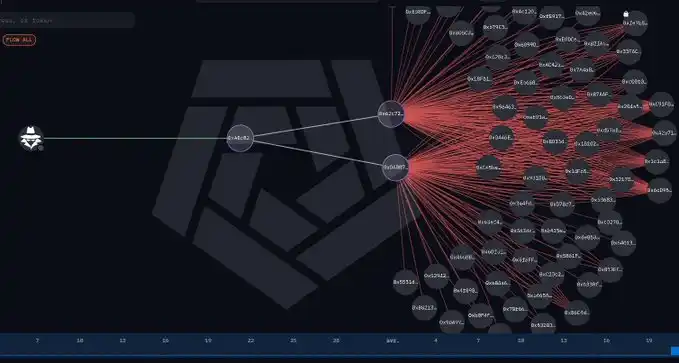
Lazarus は HD ウォレットスクリプトを実行します——単一のニーモニックから数秒で数千の新しいアドレスを数学的に導出し、ワーカープール(Python + web3、ethers.js または独自の内部ツール)と組み合わせて全アドレスツリーを並行して署名およびブロードキャストします。このコードベースは、2018年から継続的に改良されています。
この段階が終了すると、リニアにトレース可能なチェーンが消失しました。10個のウォレット操作クラスターが100を超える断片化されたウォレットに爆発し、資金が複数の独立したエントリーポイントから同時にプライバシートラックに送られました。
第六段:THORChain——Escape Route
The real break happened at THORChain.
THORChain is a decentralized protocol that enables native cross-chain asset swaps. You send ETH on Ethereum, and it gives you BTC on Bitcoin.
On April 22 alone, THORChain's 24-hour swap volume reached $4.6 billion. The protocol's normal daily trading volume is around $15 million. This hack accounted for 30 times the protocol's typical daily usage.
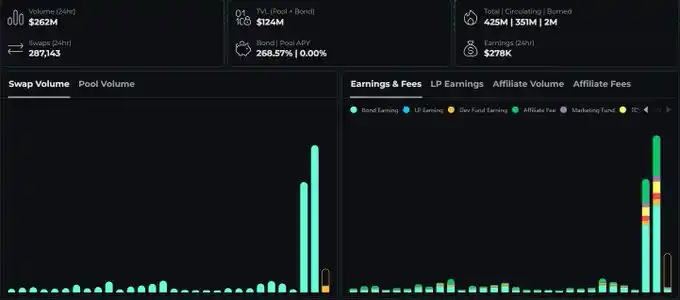
Within the same 24-hour window, the protocol generated $494,000 in revenue, distributed among bonders (node operators), liquidity providers, the development fund, alliance integrators, and the marketing fund.
Meanwhile, funds were also flowing through a set of smaller but complementary privacy tracks:
· Umbra: A stealth address protocol on Ethereum. It allows sending funds to one-time addresses, where only the recipient can derive the address by sharing a key. On-chain observers cannot determine the actual destination. Initial activity of around $78,000 was traced here, after which the trail went cold.
· Chainflip: Another cross-chain DEX following a similar pattern to THORChain.
· BitTorrent Chain: A low-cost, lightly regulated sidechain connected to Tron.
· Tornado Cash: A mixer similar to the one used for the initial gas preallocation. The U.S. Treasury Department sanctioned it in 2022.
With each protocol layer, the cost of tracking approximately increases tenfold. After passing through five layers, forensic firms theoretically can still trace every fragment, but the economic cost exceeds the recoverable value.
第七段:Bitcoin UTXO Fragmentation
Completing an ETH to BTC swap via THORChain essentially turns money into confetti.
Ethereum follows an account model, where your balance is a number attached to an address, straightforward. Bitcoin, on the other hand, uses the UTXO (Unspent Transaction Output) model—each UTXO is a specific block of a coin with a complete transaction history. Every time you spend Bitcoin, these blocks get split and recombined into new blocks.
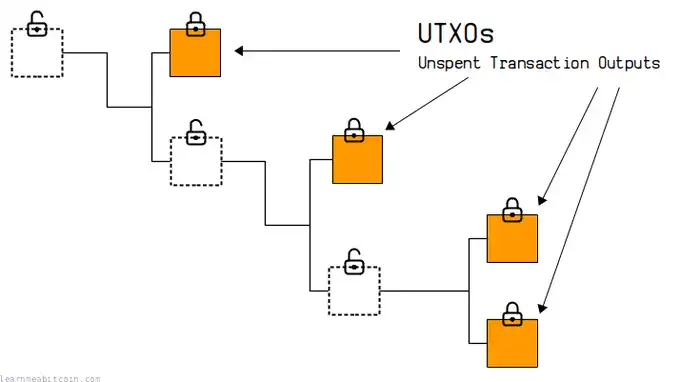
100 ドル紙幣を 87 枚に裂いて、さらにそれぞれを 87 枚に裂いていくことを 7 回繰り返すと想像してみてください。技術的には、それぞれの破片は元の紙幣に遡ることができます。実際には、どんな証拠収集チームも、数千もの並行チェーンをリアルタイムで追跡し、十分に迅速に全体像を組み立てて行動を起こすことはできません。
したがって、THORChain は、制裁できない境界を越えて資金を移動し、資金を追跡不能な微粒子に細分化するという2つのことを同時に達成しました。
Phase 8: Tron USDT Corridor
Bitcoin とプライバシーレイヤーを経て、資金は Tron 上の USDT に再集結します。
多くの人々がマネーロンダリングの主要な舞台が BTC であると考えていますが、それは誤りです。真の戦場は Tron 上の USDT です。データによると、USDT-Tron は年間を通じて取引高に占める違法な暗号資産の割合が最も高く、他のすべてのチェーンの総和を上回っています。
この Kelp の資金フローにおいて、具体的な経路は次の通りです:BTC をブリッジして Tron に移動し、USDT に換金し、さらに Tron アドレス間で複数回移動します。Tron 上での各ホップのコストは非常に低く、数セントで、再度 10 層の微粒子化が重ねられます。
Phase 9: Cash Out - Crypto to Cash
各ハッキング攻撃のフィナーレでは、資金は特定の人間の中間層ネットワークを通じて法定通貨に換金されます。
中国本土および東南アジアで活動する大手のオーバーザカウンター(OTC)ブローカーたちは、USDT-Tron の預金を受け取り、現地通貨で決済します。これらのブローカーは実質的にはライセンスを持たないアングラ銀行です。彼らは複数の顧客(規制順守と非順守の両方)からの資金フローを集約し、内部精算を行い、中国国内の支払いネットワーク(ユニオンペイ)を介して法定通貨決済を行います — ユニオンペイは完全に SWIFT システムおよび西側の制裁執行範囲外で運営されています。
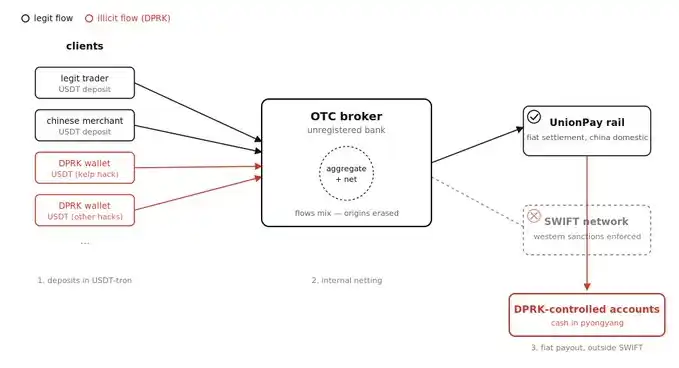
これらのブローカーが管理する口座から出発し、資金は北朝鮮が管理する銀行口座に流れ、通常は香港、マカオ、または第三国の司法管轄区に登録されたシェル企業名義で保持されます。さらにこれらの口座から、ハワラ式の非公式な清算、現金の物理的な移動、フロント会社の購入などを通じて、資金は平壤に送金されます。
国連安全保障理事会、FBI、および米国財務省は、これらの資金の最終的な行き先について独自の記録を残しています。北朝鮮の弾道ミサイルプログラム、核兵器開発、国際制裁の回避は、この種の資金フローの継続的な支援に依存しています。
2024 年、国連の報告書によると、暗号通貨ハッカー攻撃は、北朝鮮の総外貨収入の約 50% を占め、北朝鮮の武器計画の主要資金源となっています。これは、石炭輸出、軍事装備販売、労働者派遣の合計額を上回ります。
BlockBeats の公式コミュニティに参加しよう:
Telegram 公式チャンネル:https://t.me/theblockbeats
Telegram 交流グループ:https://t.me/BlockBeats_App
Twitter 公式アカウント:https://twitter.com/BlockBeatsAsia
 関連記事