米連邦準備金支払いゲートウェイの争い、勝者は誰ですか?
原文タイトル:Banks Demand Delays as Crypto Firms Push for Fed Payment Access
原著者:Emily Mason および Evan Weinberger,Bloomberg
翻訳:Peggy,BlockBeats
Editor's Note: The U.S. payment system's access rules are at a critical juncture. The banking industry wants to continue guarding the gateway to the Federal Reserve to prevent a run and regulatory disorder, while crypto and fintech firms seek to bypass bank intermediaries and directly access the core clearing system. The intermingling of stablecoin yields, account permissions, and regulatory responsibilities has led to an escalating institutional debate. The focus of the controversy is no longer on a specific account design but on who has the right to directly access the core of the U.S. payment infrastructure.
The banking sector has officially opposed opening the Federal Reserve's payment system directly to crypto and fintech companies, further escalating the dispute over "who has the right to control the core entry point of the U.S. payment infrastructure."
The Bank Policy Institute, the Clearing House Association, and the Financial Services Forum have detailed their arguments in a joint opinion letter, calling for a 12-month waiting period to be established before businesses are eligible to apply for a payment account. In particular, these lobbying groups argue that the Federal Reserve should not grant system access to a newly licensed stablecoin issuer until it demonstrates its ability to operate safely and soundly. If the dispute escalates to a legal proceeding, these arguments could form the basis for further conflict escalation.
At the heart of the dispute is whether to allow direct access to the Federal Reserve's payment "pipeline," a privilege long monopolized by the banking system. Currently, crypto and fintech companies still need to rely on partner banks to obtain payment access and compliance infrastructure support for anti-money laundering monitoring. The so-called "skinny account" proposal may allow stablecoin issuers and payment companies to bypass banks and directly access the Federal Reserve system.
Banking industry groups believe that a prerequisite for such accounts should be that the applicant has at least a "successful and securely sound operational record" of 12 months. They point out that the Federal Reserve lacks sufficient experience with many potential applicant institutions and does not have direct regulatory authority over most of these institutions. Furthermore, although the "Genius Act" took effect in July of this year with the president's signature, the specific regulatory framework for stablecoin operators has not been fully implemented.
銀行政策研究所(Bank Policy Institute)、清算所協会(Clearing House Association)および金融サービスフォーラム(Financial Services Forum)は、2 月 6 日に提出された共同意見書で、提案は金融システムにいくつかの重要な保護措置を設定しているものの、新規認可機関によるラン・オン・ザ・バンク(銀行振り向け)リスクを必ずしも防げるわけではないと述べています。
金融監督組織ベター・マーケッツは、全体としての勢いが必ずしも銀行側にあると警告しています。ベター・マーケッツの最高経営責任者であるDennis Kelleher はコメントで、「連邦準備制度が支払い口座を提供する仕組みは、反対意見がどうであれ高い実現可能性があります」と述べています。一般公開への意見募集締め切りは先週金曜日でした。
これらの懸念に先んじて、そして近日公表される「Genius 法案」の関連規則に積極的に適合するために、多くのフィンテック企業や暗号通貨企業が国立信託銀行免許の申請を開始しており、そのうちのいくつかは最終的には連邦準備制度の主要口座(master account)へのアクセスを申請すると明言しています。
2022 年以前に、連邦準備制度は主要口座の申請を評価するための階層化された審査プロセスを導入していました。国立信託銀行免許を保持する Anchorage Digital Bank は最近、「第 3 ティア(tier 3)」で申請を提出しました。このカテゴリは通常、最も厳格な審査基準を意味します。アメリカン・バンカーズ・アソシエーション(American Bankers Association)は、主要口座へのアクセス権は、「第 1 ティア(tier 1)」として特定され、連邦準備制度によって直接監督され、かつ連邦預金保険を持つ機関にのみ制限されるべきだと主張しています。
同銀行業団体は、新しい支払い口座は主要口座への「跳板」として使用されるべきではなく、主要口座は常に独自の申請プロセスを介して取得されるべきだと指摘しています。
Circle と Anchorage は、提案されている「スキニーアカウント」が設計上あまりにも硬直しすぎて制限が強すぎると考えています。たとえば、現行の計画では、アカウント所有者が FedACH にアクセスすることは許可されていません。FedACH は毎年数兆ドルの取引を処理する支払いシステムです。昨年、このアカウントの提案を最初にした時、連邦準備制度理事のChristopher Waller は、スキニーアカウントにはオーバードラフト施行がなく、ディスカウントウィンドウ融資の利用ができないと述べました。Circle は意見書で、支払い口座が FedACH にアクセスできるかどうかは、オーバードラフトの発生を防止する適切な制御メカニズムが導入されるかどうかにかかっていると指摘しています。
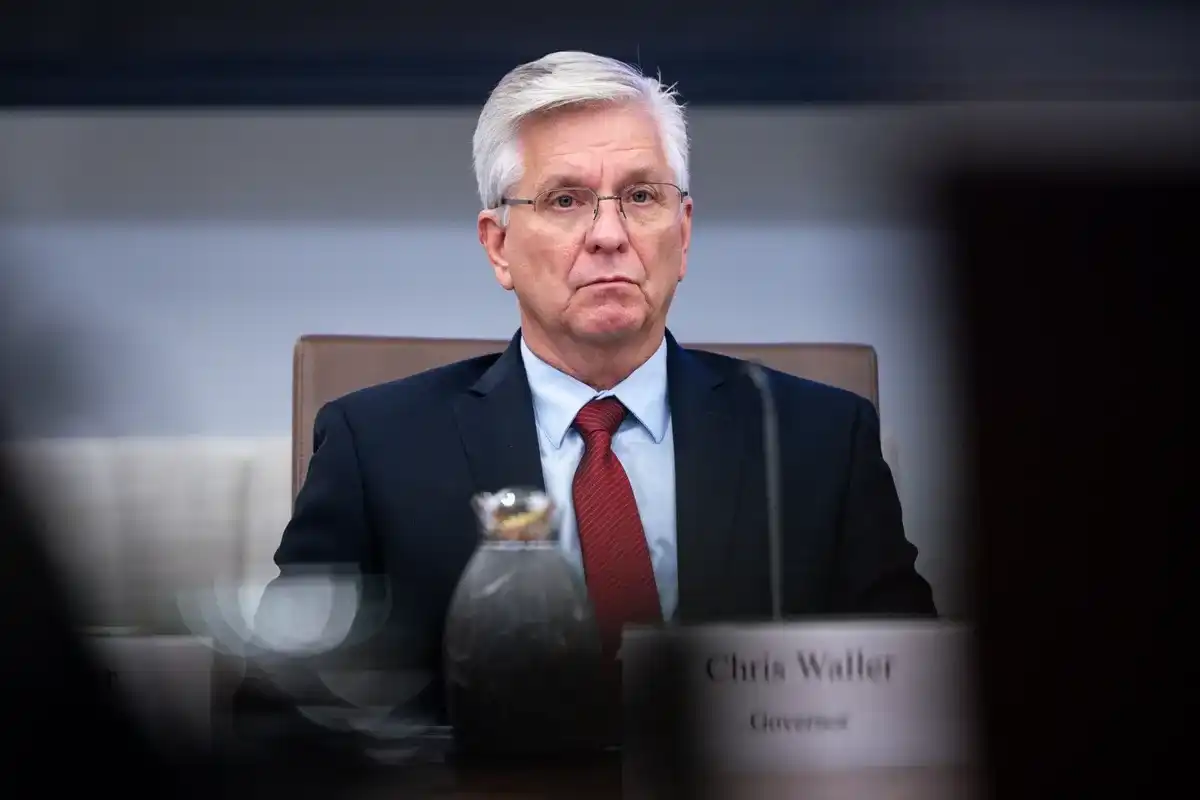
2025 年 10 月 24 日、アメリカ、ワシントン D.C. で開催された連邦準備制度理事会の公開会議で、連邦準備制度理事 Christopher Waller 氏。撮影:Al Drago / Bloomberg。
Financial Technology Association は、オーバーナイト残高の上限にも批判的な意見を示しています。この上限は、5 億ドルまたは総資産の 10%(小さい方を適用)に設定されており、この制限は規模の大きな支払い企業にとって過酷すぎると協会は考えています。なぜなら、この種の機関は通常、毎日数十億ドルに及ぶ取引を処理しているからです。
Anchorage は、この上限が維持される場合、口座所有者は毎日の取引終了時に超過分の資金をオーバーナイトで提携銀行口座に振り込む必要があると指摘しています。同時に、Anchorage は、支払い口座の所有者も連邦準備制度の準備金口座残高に対して利子を獲得できるべきだと補足しています。
この論争は、別の極めて重要なトピックと同時に進行しています:Coinbase Global Inc. などの仮想通貨取引プラットフォームが、ユーザーに安定コイン残高に連動した収益インセンティブを提供することが許容されるべきかどうか。現在、Coinbase Global Inc. は、USDC 残高ユーザーに 3.5% の利回りを提供しています。銀行業界は、この実践が従来の金融システムから預金を「抜け出させる」可能性があり、銀行の預金基盤に脅威をもたらすかもしれないとしています。この意見の相違により、関連する立法の進展が遅れています。
報道によると、ホワイトハウスは交渉を調整し、今月末までにこの問題に解決策を打ち出すことを望んでいます。
ただし、これらの懸念は「スキンニーアカウント」に関する意見書で、議論の中心的焦点とはなっていません。
金融安定の提唱者や銀行業界団体は、議題に挙がっているこれらの口座が連邦準備銀行の法的権限を超えており、重大なシステミックリスクをもたらす可能性があると警告しています。
Better Markets の金融監視組織は、意見書で、「この提案自体が、連邦準備制度が、現在および今後アクセスを申請する機関にとって、連邦準備制度システムまたは金融システム全体に対して巨大なリスクを構成することを明確に示しています。それがなぜ提案全体がリスク軽減に焦点を当てているのかですね」と率直に述べています。
BlockBeats の公式コミュニティに参加しよう:
Telegram 公式チャンネル:https://t.me/theblockbeats
Telegram 交流グループ:https://t.me/BlockBeats_App
Twitter 公式アカウント:https://twitter.com/BlockBeatsAsia
 関連記事