政治選挙に対する市場の予測は、新たな課題をもたらしています。
原文タイトル:Prediction Markets Are a New Headache for Campaigns
原著者:Eric Wilson、Campaign Innovation
翻訳:Peggy、BlockBeats
Editor's Note: With the increasing influence of prediction markets on political issues, the way election information is disseminated is quietly changing. In the past, polls have been a key indicator shaping the narrative of the race, but now, trading prices and win probability are also entering the media coverage, donor discussions, and internal campaign decision-making.
This article, from the perspective of campaign team operations, analyzes several new challenges that prediction markets may bring: on one hand, it provides the media with new "electoral numbers," which may affect public perception; on the other hand, it also raises new ethical and compliance issues at the internal management level, such as whether staff should participate in related trades, how market signals should be interpreted, etc.
In this stage where the system is not yet fully formed, whether prediction markets are leading indicators, lagging indicators, or merely reflect market sentiment, is still to be observed. However, it is certain that they are gradually becoming part of the political information environment. For campaign teams, how to understand, respond to, and manage this new variable may soon become a practical issue in campaign strategy.
The following is the original text:
Prediction markets are gradually becoming a new variable in campaign politics, but most campaign teams have not yet seriously considered what it means from an operational standpoint.
Campaign teams are already accustomed to dealing with polls. Polls shape the narrative of the race, influence donor confidence, and also sway internal decisions. The role that prediction markets play is somewhat similar, but their mechanisms and incentives are entirely different.
Horserace Narrative
For a campaign team's communications department, prediction markets mean that the media may reference a new number. Spokespersons may now be asked by reporters: why a certain candidate's "win probability in the market is declining." In response to this, campaign teams need to establish a relatively stable, restrained way to respond. The market price reflects traders' judgments after seeking an information advantage and may not fully reflect the real grassroots sentiment. Like any signal, it is just one part of a wealth of information.
At this stage, campaign teams are better off treating prediction markets as an indicator to watch, rather than a trend to follow. Because it is still unclear whether these markets are leading or lagging indicators. What exactly are they reflecting? Trader confidence? Immediate response to media coverage? Or changes in market liquidity? There is currently a lack of sufficient experience and data to answer these questions.
倫理問題
選挙チーム内部でもいくつかの潜在的な問題を事前に考慮する必要があります。
選挙スタッフは通常、内部世論調査、資金調達状況、チーム構成、選挙戦略などの非公開情報に触れることができます。これらの人々が予測市場取引にも参加している場合、投機行動と「内幕優位性」との境界は曖昧になる可能性があります。
現実では、こうした行動を監視することは非常に難しいため、ほとんどの予測市場は匿名性を持っています。関連方針を策定しても、最終的には法執行機関ではなく、スタッフの職業道徳に依存することになる可能性が高いです。
興味深いことに、このメカニズムは別の効果も生む可能性があります。理論的には、予測市場は選挙結果が不確実な状況で選挙チームメンバーやサービスプロバイダーがヘッジを行うための保険またはボーナスメカニズムとなり得ます。
もう1つよく挙げられる問題は市場操作です。直感的には、人々は選挙チームが市場で自らの勝率を高めるために取引する可能性があり、これが一般大衆の認識に影響を与えると懸念するでしょう。しかし、現実には市場は見かけよりも操作が難しいことがよくあります。流動性が非常に重要であり、すべての取引には売買両者が必要です。金融市場の1つの格言がここでも当てはまります:市場は非合理を維持する時間が、あなたが支払い能力を維持する時間よりも長い可能性があります。
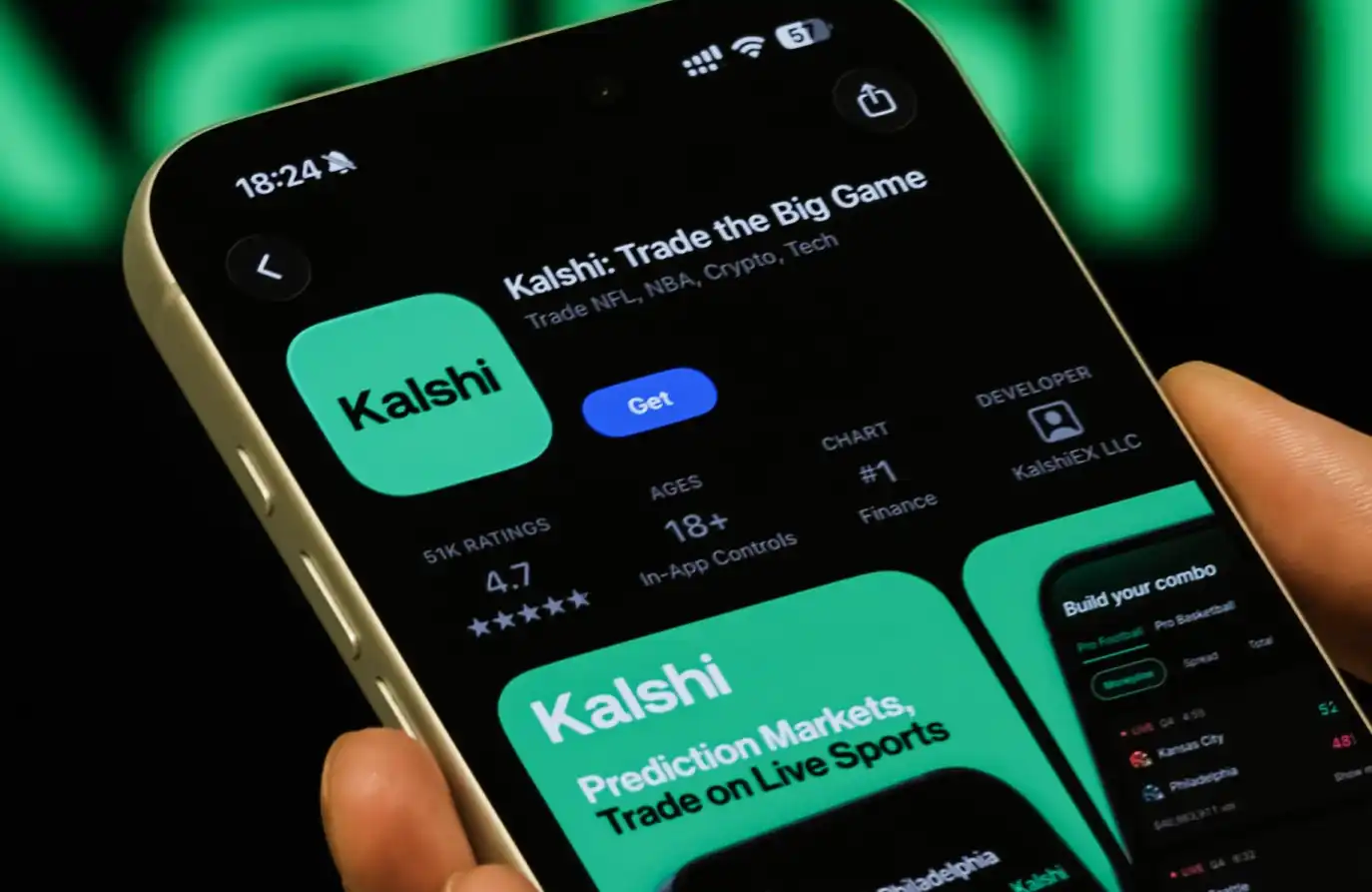
(編集者注:アメリカに本拠を置き規制されている予測市場プラットフォームのKalshiは実際に内幕取引に関してかなり厳格な規定があります。たとえば、Kalshiは特定の政治選挙に立候補している候補者や、関連する政治行動委員会で働いている人が、その選挙に関連する市場に賭けることを禁止しています。)
事前準備
さらに重要なことは、予測市場が徐々に政治情報環境の一部になる可能性があるということです。これらは時折、メディア報道、寄付者の議論、および選挙チーム内部のコミュニケーションに登場することがあります。
選挙チームがこれを単なる新奇なものとして扱う場合、将来的にはこれらの市場シグナルに対して受動的に対応することになる可能性が高いです。一方、既に伝播戦略、内部規範、および監視メカニズムについて考え始めているチームは、予測市場が避けられない選挙叙事に入る際に、より十分に準備されています。
BlockBeats の公式コミュニティに参加しよう:
Telegram 公式チャンネル:https://t.me/theblockbeats
Telegram 交流グループ:https://t.me/BlockBeats_App
Twitter 公式アカウント:https://twitter.com/BlockBeatsAsia
 関連記事